A crew mobilises on Monday morning.
The Work Pack has been on the schedule for weeks.
The Discipline Lead confirmed it in Friday's meeting.
The Foreman has his team ready.
By 08:30 the crew is standing down.
The cable drums are still in transit.
Three line items are short.
Material Control knew on Thursday.
The information didn't reach the Discipline Lead before he committed his crew.
Nobody made a mistake.
The delivery status existed in the system.
The constraint was real and documented.
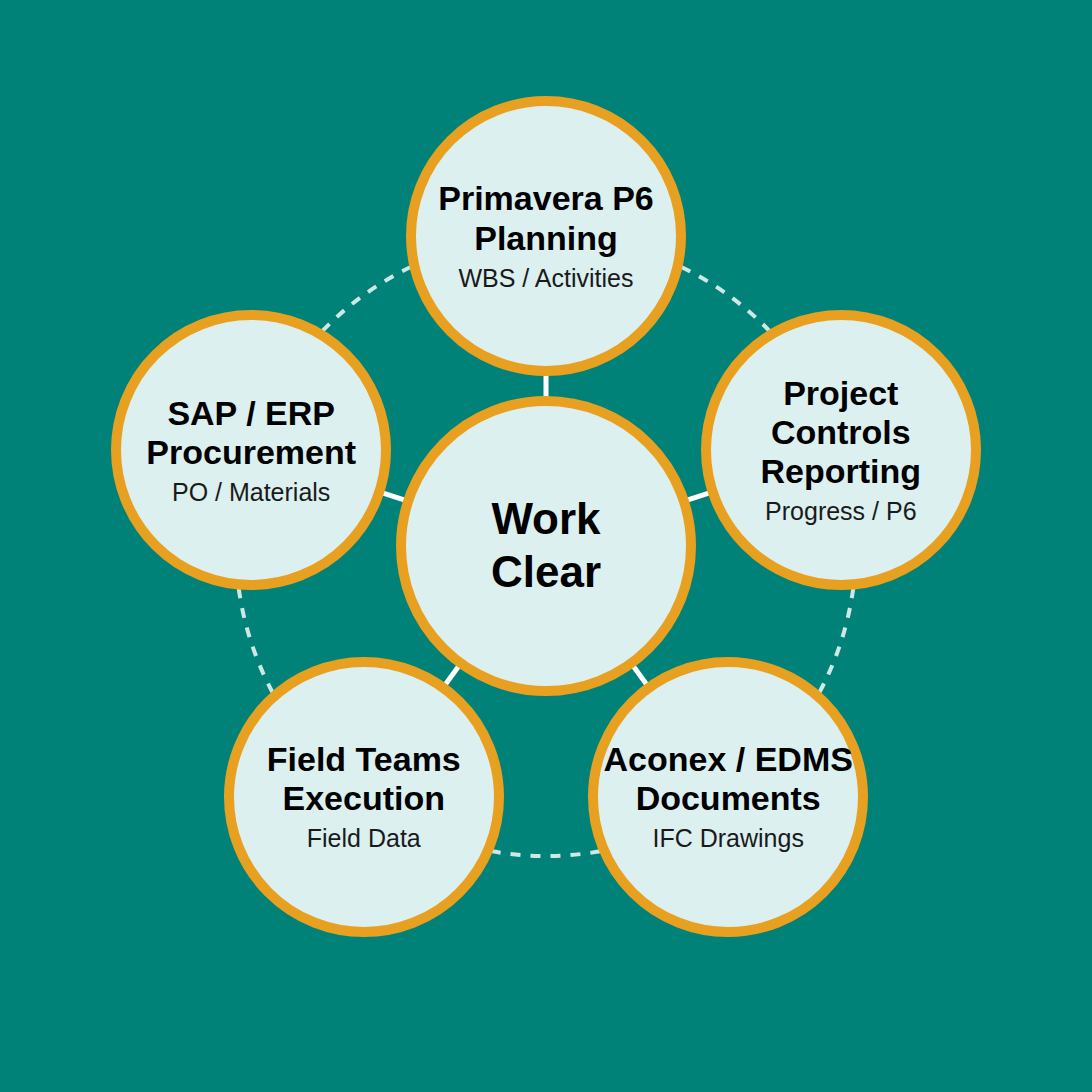
The problem was that the person making the mobilisation decision and the person holding the material status were operating in completely separate information spaces — and there was no mechanism to connect them before the crew left the yard.
This happens on almost every large EPC project.
Repeatedly.
The cost isn't the standing time on Monday morning.
The cost is everything that happens next.
A crew stood down creates pressure to mobilise elsewhere, often into work that isn't ready either.
Constraints get overridden.
Shortcuts get taken.
The schedule absorbs the damage quietly — until it doesn't.
The root cause is almost never procurement failure.
It's visibility failure.
The information existed.
The decision-maker couldn't see it.
The material status was current.
The delivery tracking was accurate.
The expediting log was up to date.
None of that information was visible to the Discipline Lead at the point when it would have changed his decision.
On a project running fifty active Work Packs across eight disciplines, that gap — between where the status lives and where the decision gets made — is where standing time is manufactured, week after week.