A Project Director signs off this month's schedule variance report. It shows green.
Nobody lied. Nobody broke a rule. Yet six months later, the project still lost the claim.
Several overrides were logged to get there. Each one, on its own, was defensible — a missing inspection waived, a hold point pushed, a sequence swapped to keep a crew working.
The problem wasn't any one decision. It was that nobody ever saw the pattern.
Individually reasonable decisions were never rolled up, never reviewed together, because there was no single place where every override was captured with a reason attached.
Six months later, when a delay claim lands or an EOT is contested, someone has to reconstruct that pattern from emails, notebooks and whoever is still on the project. That's where disputes are won or lost — not in the schedule itself, but in whether the decision trail is still defensible.
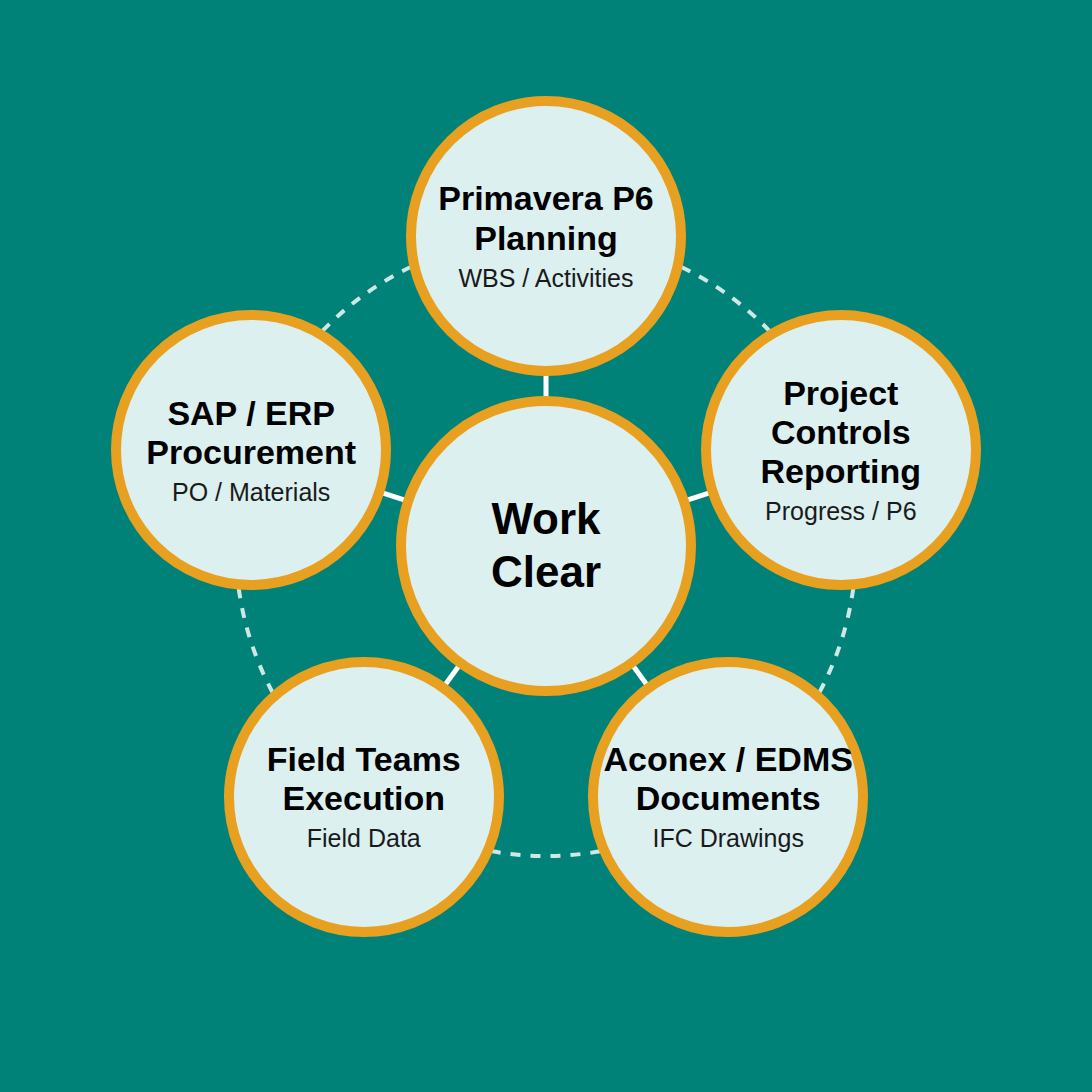
P6 records the plan. Site systems record what happened. What usually disappears is why someone was authorised to deviate. By the time that question matters, the project team has changed and the evidence is scattered.
That's the reason we built WorkClear: every override captured with a reason code at the moment it happens, rolled up so leadership sees the pattern before it becomes a contractual dispute — not after.